Date: 05 March 2026
Mara Update – Talek River
The Talek River levels are slowly rising due to the ongoing rains. While there’s no major flooding, the situation is being closely monitored, and guest safety remains our top priority.
For arrivals, Olkiombo airstrip is currently inaccessible, so we now recommend Keekorok airstrip, which provides safe and smooth transfers to the lodges.
Date: 05 March 2026
As a local guide in the Masai Mara, I have had the privilege of witnessing the park in all its moods—sun-drenched mornings, golden sunsets over the savannah, and the quiet, introspective beauty of the rain-soaked plains. Masai Mara weather keeps changing. Over the past two weeks, Kenya has experienced intermittent rains across many regions, and Narok County, home to the Masai Mara, has not been spared. The rivers are full, the grass is lush and green, and the park has transformed into a water-rich landscape that is both breathtaking and challenging.
Visitors often hear the term “floods” when heavy rains are reported, and while it is true that water levels are high and some areas are wetter than usual, it is important to clarify that the Mara is not experiencing catastrophic flooding. From my perspective as a guide, the situation calls for caution, flexibility, and smart planning—but it also presents a unique and incredibly rewarding way to experience Kenya’s most famous safari destination.
Understanding the Rain in the Masai Mara
Rainfall in the Masai Mara typically follows a bimodal pattern. The long rains occur from March to May, and the short rains arrive in October and November. This year, the rains have arrived with a steady, measured intensity. While the rivers are fuller than usual, they remain navigable in most areas, and the park’s infrastructure—roads, bridges, and airstrips—remains functional.
From the perspective of someone who drives tourists through the Mara daily, it is clear that the rains bring both beauty and logistical considerations. The vibrant green plains provide a stunning contrast to the golden hues we see in the dry season. Game is abundant, and the animals are often concentrated near water sources, making sightings more frequent. However, certain roads can become slippery or temporarily impassable after heavy downpours, and some river crossings can be unsafe.
Safety First: A Guide’s Advice During the Rainy Season
As a local guide, I cannot overemphasize the importance of safety during the rainy season. While the Mara remains open and accessible, there are a few precautions that every visitor should take:
Avoid pushing your guide to go too far. Some tourists may be tempted to venture into remote areas to see “more” wildlife. This is risky when rivers are high and some tracks are slippery. Trust your guide—they know which areas are safe and where the wildlife is concentrated.
Do not cross full rivers. The Mara River and its tributaries swell during the rains. Crossing them can be dangerous. Many camps and lodges are situated in areas where you can enjoy excellent game viewing without needing to cross treacherous watercourses.
Be patient and flexible. Rain may interrupt game drives or limit visibility, but it also brings unique experiences: mist rising from the plains, animals coming out to drink from temporary pools, and dramatic skies perfect for photography.
Proper attire and gear. Waterproof jackets, boots, and binoculars are essential during the rainy season. A camera with weather protection is also advisable if you want to capture the Mara’s lush beauty.
Experiencing the Mara in the Rain: What You Will See
The rains transform the Masai Mara into a vibrant, almost magical environment. From a local guide’s perspective, this is one of the most rewarding times to explore the park. Here’s what visitors can expect:
1. Abundant Wildlife Concentrated Around Water
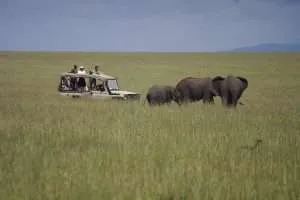
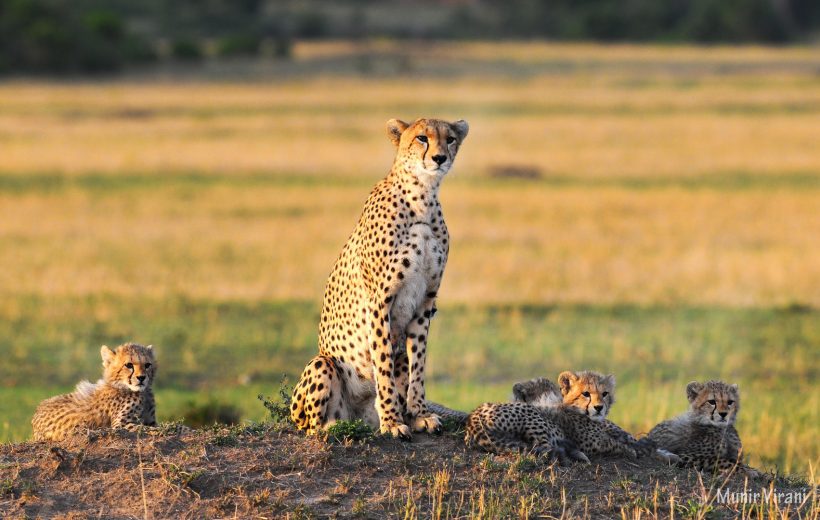
The rains replenish the waterholes and rivers, drawing animals closer to reliable water sources. Herds of elephants, giraffes, zebras, and wildebeest can be seen drinking, bathing, and interacting along riverbanks. Predators such as lions, cheetahs, and leopards also follow these herds, offering excellent opportunities for wildlife sightings.
2. Birdwatching Paradise
The Mara’s birdlife is particularly active during the rains. Migratory birds return, and local species thrive in the lush conditions. Herons, kingfishers, and lilac-breasted rollers are more visible than during the dry season, and their colors pop against the green backdrop.
3. Photographic Opportunities
For photographers, the rains create dramatic skies and reflections in the puddles and rivers. Sunlight breaking through clouds, mist rising from the plains, and wildlife interacting with the wet landscape provide striking compositions that are impossible to capture in the dry season.
4. The Joy of Quiet Mara
Many tourists assume that the dry season is the “only good time” to visit, but in truth, the rainy season has fewer visitors. This means a more intimate experience with nature. Game drives can feel private, and the Mara’s beauty feels almost untouched by crowds.
Lodges and Camps During the Rainy Season
Many Masai Mara hotels, lodges and luxury camps in the Mara are fully operational during the rains. The key is to choose accommodations that are prepared for wet conditions and located strategically:
High-ground lodges: Many camps, such as those in the central or northern Mara, are on slightly elevated terrain, making them less prone to flooding.
Tent lodges with elevated platforms: Some luxury safari tents are built on raised platforms, ensuring comfort even if it rains heavily at night.
Camps with internal tracks: Lodges that have their own maintained tracks allow game drives without the risk of impassable public roads.
Flying in ensures that guests reach their lodges safely, even if road conditions are challenging. Once there, you can enjoy game drives, bush walks, and sundowner experiences in the most comfortable and secure manner.
Common Misconceptions About Mara Floods
When the media reports rain in Narok, tourists often hear about “floods” and worry that the park may be inaccessible. From a local guide’s perspective, these concerns are often exaggerated. Here’s the reality:
Rivers are full, but not overflowing in most areas. The Mara River is designed by nature to accommodate seasonal rains, and although water levels rise, crossing points remain manageable under guidance.
Most camps and lodges remain accessible. Even if some minor tracks are temporarily closed, alternatives exist, and flying in bypasses these challenges entirely.
Wildlife thrives. The rains replenish grazing areas and water sources, often bringing animals closer to roads and lodges for easier viewing.
Why Flying to the Masai Mara is the Smart Choice
For visitors concerned about road conditions, flying into the Masai Mara is highly recommended. The park has several airstrips, including Keekorok, Mara Serena, and Little Governors, which remain fully operational even in rainy conditions. Flying not only saves time but also minimizes the risk of encountering muddy, impassable roads.
From the air, the park looks like a mosaic of green and brown, dotted with acacia trees, herds of wildebeest, zebra, and elephants navigating the wet terrain. This aerial perspective provides a breathtaking introduction to the Mara and allows visitors to reach their lodges or camps quickly and comfortably.
Planning Your Mara Safari in the Rain
Here are some practical tips to ensure a smooth, safe, and enjoyable safari:
Book flights into the Mara in advance. Air travel saves time and guarantees access regardless of rain.
Choose a reliable guide. Local guides know which areas are safe and how to navigate wet terrain.
Accept nature’s rhythm. Rain may alter your schedule, but it enhances the Mara experience in ways that dry-season safaris cannot.
Pack for wet conditions. Waterproof gear, insect repellent, and layered clothing are essential.
Embrace shorter game drives. In wet conditions, shorter, safer drives can still yield incredible sightings without risking safety.
A Local Guide’s Advice: Enjoy What’s Safe
As someone who spends most days navigating the Mara, my advice is simple: do not push your guide or yourself to take unnecessary risks. The Mara is vast, and even in a localized area, there is enough to see to fill days of exploration. Focus on quality over quantity. Enjoy watching hippos in the river, elephants bathing in muddy pools, and predators stalking the plains—all from safe vantage points.
Crossing rivers or venturing into flooded areas is not worth the risk. Experienced guides know where the best sightings are without compromising safety. The key is trust—trust your guide, trust the environment, and allow nature to show itself at its own pace.
Rainy Season Advantages
While some tourists shy away from the rainy season, it offers several unique advantages:
Fewer tourists: Enjoy a more private, serene safari experience.
Lush scenery: The Mara’s landscape is greener, fresher, and more vibrant.
Active wildlife: Water sources attract both herbivores and predators, increasing your chances of sightings.
Birdwatching: Migratory and local bird species are abundant, adding another dimension to your safari.
Even with rain, the Mara’s magic is undeniable. Visitors often leave saying that they experienced the Mara in its most authentic, alive state—something the dry season cannot replicate.
The Mara Awaits, Rain or Shine
From a local guide’s perspective, the recent rains in Narok and the Masai Mara are not a cause for alarm but an opportunity to experience the park in a unique, beautiful way. While caution is necessary—particularly regarding river crossings and slippery tracks—the Mara remains open, accessible, and full of life.
Flying into the park ensures safety, convenience, and spectacular aerial views, while trusting local guides guarantees that your safari is both enjoyable and secure. Embrace the rains, enjoy the lush landscapes, and be content with the extraordinary wildlife encounters available in safe areas.
The Masai Mara is resilient, majestic, and ever-changing. Rain or shine, it continues to offer an unforgettable safari experience that captures the heart of every traveler.
Whether you are planning your first visit or returning for another adventure, remember this: safety and patience unlock the Mara’s true wonders. Take your time, respect nature, and let the Mara reveal itself in all its rainy-season glory.
For Booking and Inquiries: To book your safari adventure or for more information, please contact our dedicated team at [[email protected]]. We look forward to welcoming you to the Masai Mara, where every moment is an adventure waiting to unfold.