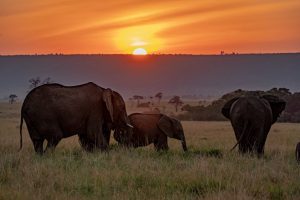
Can I book Masai Mara safari Without a Tour Operator?
A Local Guide’s Honest, Detailed Answer
Masai Mara is not a theme park. It’s a vast, wild ecosystem covering over 1,500 square kilometers of open savannah, rivers, escarpments, conservancies, and remote tracks. There are no fences. Wildlife moves freely. Roads change with rain. Signals disappear. Conditions shift fast.
Technically, Kenya allows independent travel to the Masai Mara. There is no law forcing you to use a tour operator. You can self-drive, book your own camp, pay your own park fees, and enter on your own.
But here’s what most online guides don’t tell you:
The Masai Mara rewards preparation — and punishes assumptions.
Understanding the Masai Mara Experience
Here is the truth many travelers only understand after they arrive:
The Masai Mara is not just about getting there — it’s about knowing where to go, when to be there, and how to experience it properly.
As a local guide and tour operator, I want to correct one common misunderstanding. A tour operator is not just someone who “adds cost.” A good local tour operator does three critical things that most independent travelers cannot do on their own:
-
Guides you on where best to go based on your budget
-
Negotiates better rates with camps and lodges
-
Ensures you experience the Mara safely, authentically, and responsibly
Let’s break this down honestly.
1. What a Local Tour Operator Actually Does (That Google Can’t)
Many people assume they can plan a Masai Mara safari by:
-
Searching online
-
Booking the cheapest camp
-
Renting a 4×4
-
Following Google Maps
The challenge is that the Masai Mara does not work like other destinations.
A local tour operator:
-
Knows which areas are active this week, not last year
-
Understands seasonal animal movements
-
Matches your budget to the right location, not just a nice-looking lodge
-
Prevents costly mistakes before they happen
For example:
-
A KES 60,000 camp in the wrong area can give you fewer sightings than a KES 45,000 camp in the right location
-
A lodge may look “inside the Mara” online but be 1.5 hours from wildlife hotspots
-
Some camps restrict self-drive game drives without guests realizing it
This is where experience matters.
2. Budget Matters — and This Is Where Operators Add Real Value
One of the biggest misconceptions is that booking without an operator is always cheaper.
In reality, local tour operators often secure better rates than individuals booking directly.
Why?
-
Long-standing relationships with camps
-
Contracted or negotiated rates
-
Volume-based discounts
-
Ability to bundle services intelligently
A good operator will:
-
Advise whether your budget fits the main reserve or a conservancy
-
Suggest flying vs driving based on cost vs time
-
Help you avoid paying unnecessary extra park fees
-
Recommend the right season for your budget
This is guidance — not upselling.
3. Not Everyone Can Drive in the Masai Mara — and That’s the Truth
This is a point that must be stated clearly.
Not everyone can drive in the Masai Mara.
The Mara is not a normal road system. It requires:
-
Deep understanding of terrain
-
Knowledge of seasonal tracks
-
River crossing judgment
-
Wildlife awareness
-
Experience driving off-road in changing conditions
Only trained, experienced guides truly understand:
-
Where driving is allowed
-
How to position a vehicle at sightings
-
How to approach animals safely
-
How to read animal behavior
-
How to avoid damaging the ecosystem
Many self-drivers:
-
Get stuck in black cotton soil
-
Take wrong tracks
-
Miss wildlife entirely
-
Create unsafe situations for themselves and animals
A guide doesn’t just drive — they interpret the Mara for you.
4. Wildlife Viewing: Knowledge Beats Luck Every Time
You can enter the Masai Mara on your own — but finding wildlife is another story.
Animals do not stay in one place. Their movements depend on:
-
Rainfall
-
Grazing patterns
-
Predator-prey behavior
-
Time of day
-
Human pressure
Local guides:
-
Communicate daily with other guides
-
Track prides, herds, and crossings
-
Know where animals were yesterday — and where they’re likely to be today
-
Understand when to wait, move, or reposition
Without this knowledge, most independent travelers spend:
-
Long hours driving empty plains
-
Arriving late to sightings
-
Watching from poor angles
-
Missing key moments entirely
A safari is not about driving — it’s about being in the right place at the right time.
5. Authentic Experiences Don’t Happen by Accident
If you want:
-
Meaningful wildlife encounters
-
Cultural understanding
-
Responsible tourism
-
Deeper connection to the land
Then booking with a local tour operator matters.
Local operators:
-
Employ local guides
-
Support community-owned conservancies
-
Channel tourism income into the local economy
-
Respect cultural boundaries and traditions
When you book locally:
-
Your money stays closer to the community
-
You contribute to conservation and livelihoods
-
You support guides who grew up with this land
This is not marketing — this is impact.
6. Conservancies vs Main Reserve: Why Guidance Matters
Many travelers don’t realize that:
-
Some conservancies do not allow self-drive
-
Some require guests to use resident guides
-
Some charge separate conservancy fees
-
Some offer off-road and night drives — others don’t
A local tour operator will:
-
Explain these differences clearly
-
Match you with the right experience
-
Prevent surprises after arrival
-
Ensure access aligns with your expectations
Independent travelers often discover these rules too late.
7. Safety Is Part of the Experience
Masai Mara is wild — and that’s what makes it special.
But safety depends on:
-
Knowing animal behavior
-
Understanding distances
-
Knowing when to stop or retreat
-
Having emergency protocols
-
Communicating with rangers and camps
Local guides are trained for:
-
First aid
-
Wildlife encounters
-
Emergency evacuation procedures
-
Vehicle recovery
-
Crisis decision-making
A tour operator doesn’t remove adventure —
they remove unnecessary risk.
8. Supporting the Local Community Through Your Travel Choices
If your goal is not just to “see animals” but to:
-
Travel responsibly
-
Support conservation
-
Benefit local communities
-
Experience the Mara authentically
Then consider booking with a local tour operator.
This ensures:
-
Fair employment for local guides
-
Direct contribution to conservation
-
Ethical tourism practices
-
Long-term sustainability of the Mara
Your travel choices matter.
9. So — Can You Go Without a Tour Operator?
Yes, you can.
But here is the honest local answer:
-
Not everyone can drive in the Mara
-
Not everyone knows where to go
-
Not everyone understands the rules
-
Not everyone gets value doing it alone
A local tour operator:
-
Guides you based on your budget
-
Negotiates better hotel rates
-
Matches you with the right locations
-
Provides knowledgeable guides
-
Delivers authentic experiences
-
Ensures your visit benefits the local community
Word From a Local Guide
If you simply want to enter the Masai Mara, drive around, and hope for the best — you can do it alone.
But if you want:
-
The best value for your budget
-
Real wildlife experiences
-
Knowledgeable guiding
-
Authenticity
-
Safety
-
Community impact
Then booking with a local tour operator is not a limitation —
it is an advantage.
And that’s not theory.
That’s the Mara, as it truly is.