


We Really Need More Hotels in the Masai Mara? A Different Way to Look at It
Over the last few months, a debate resurfaces: “Do we really need another hotel in the Masai Mara?”
The concern is genuine—no one wants overcrowding, overdevelopment, or the dilution of the Mara experience. But the real question isn’t simply about whether a new hotel should exist; it’s about how we think about tourism, value, and the experience itself.
I was reminded of this recently while staying at a high-end camp in the Siana Conservancy. At dinner, I overheard two guests comparing prices. One had paid USD 1,000 per night, the other USD 200 per night—yet both had spent the day watching the same lion.
And that moment made something very clear:
Park fees are the great equalizer.
Whether you paid USD 200 or USD 1,000 for your room, your access to the wildlife is the same. What you pay the conservancy or the park is your ticket to the show; what you pay the hotel is the cost of how you want to experience your time outside the game drives.
If you choose the premium option, then let the hotel deliver on what you paid for—better service, better food, better comfort, better exclusivity. But the lions, the sunsets, the savannah… those remain shared.

The Masai Mara Has Seasons—And Most People Forget This
Most discussions about overcrowding focus on July–September, the peak of the Great Migration. Yes, during those months, things get busy. Animals cross over from Tanzania, and the world arrives to witness it.
But the rest of the year?
Life in the Mara goes on quietly, beautifully, predictably.
Resident wildlife continues its daily rhythm.
Predators still hunt.
Elephants still move silently through the brush.
Sunrise is still magical, every single day.
And many camps—even excellent ones in fantastic locations—struggle with occupancy outside the migration season.

Do We Need New Hotels? Maybe the Question Needs to Change
Instead of asking whether we should build new properties, perhaps we should be asking:
Why are existing camps in prime locations still underutilized?
There are incredible lodges—privately owned, locally invested, perfectly positioned—that don’t get the numbers they deserve. Maybe the future isn’t about adding more beds, but about:
Revitalizing older properties
Partnering with strong hospitality brands
Improving training, standards, and marketing
Ensuring fair competition based on service, not just price
The Mara doesn’t need endless construction. It needs thoughtful growth and reinvestment in what already exists.
The New Park Fees & The Drop in Visitor Numbers
When park fees increased, the immediate effect was visible: fewer visitors.
Many saw this as a negative. But in reality, it’s not entirely bad.
A less crowded park means:
More intimate wildlife encounters
Less pressure on the ecosystem
Slower, more meaningful game drives
Better overall experiences for guests who do visit
The Mara should never feel like a highway of safari vehicles. When visitor numbers balance out naturally, everyone benefits—especially the wildlife.

The Green Season: The Mara’s Most Underrated Secret
Too many guests try to squeeze their trips into the Migration window. But the green season—when prices are lower, crowds thin out, and the landscape turns lush—is one of the best times to be in the Masai Mara.
Some of the best months?
February & March – Clear skies, thriving wildlife, incredible predator action, peaceful parks
October to December – Gorgeous scenery, newborn animals, quieter conservancies, perfect photography conditions
During these months, you get something money can’t buy during peak season:
the feeling of having the Mara almost to yourself.
The Bottom Line: There Is Enough Magic for Everyone
Everyone sees something special in the Mara—whether you’re in a luxury tent or a budget-friendly camp. Everyone walks away with a moment they’ll never forget:
Maybe it’s the first time you hear a lion roar at night.
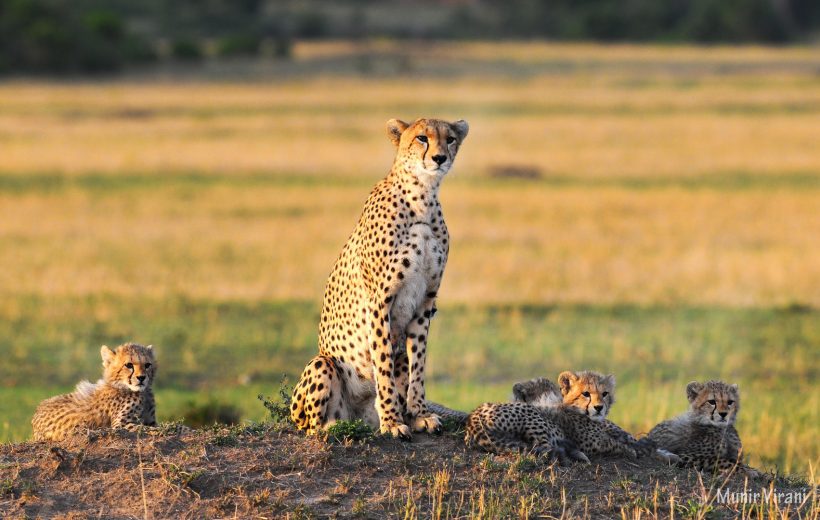
Maybe it’s watching a cheetah sprint across the plains.
Maybe it’s simply the silence of an early morning drive.
The Mara doesn’t discriminate.
And the truth is, there is space for different budgets, different experiences, and different types of travelers—as long as development remains responsible and rooted in conservation.
So, do we need more hotels?
Only if they add real value, respect the land, uplift local communities, and enhance—not compete with—the timeless magic of the Masai Mara.
Because at the end of the day, we all come for the same lion.
The difference is how we choose to experience the journey.


