

 When planning a trip to the Masai Mara, several factors influence the total cost. Understanding these can help travelers budget effectively and make the most of their safari experience.
Seasonality: Peak vs. Low Season
The time of year significantly affects safari prices.
- Peak Season (July–October): This is when the Great Migration occurs, drawing large crowds. Accommodations, park fees, and even flights are at their highest due to demand.
- High Season (January–March, December holidays): Although not migration season, wildlife sightings remain excellent, and rates are slightly lower than peak season.
- Low Season (March–June): The “Green Season” sees fewer tourists, lower accommodation rates, and occasional rain showers. This period is ideal for budget travelers seeking discounted prices.
Accommodation: Budget Camps vs. Luxury Lodges
The Masai Mara offers a wide range of accommodations, which impact costs:
- Budget Camps ($50–$150 per night): Simple tents with shared facilities and basic meals, ideal for cost-conscious travelers.
- Mid-Range Lodges ($200–$400 per night): Comfortable accommodations with private bathrooms, good service, and excellent meals.
- Luxury Lodges ($500–$1,500 per night): High-end lodges offer exclusive experiences, premium amenities, and personalized service.
Transportation: Flights vs. Road Trips
Getting to the Masai Mara is another major cost factor.
- Flights: A one-way domestic flight from Nairobi to the Mara costs $200–$350 per person, reducing travel time to about 1 hour.
- Road Trips: A 5–6 hour drive costs less ($150–$300 for private transfers or self-drives), but road conditions can be rough. Group shuttles are cheaper at around $50 per person.
Type of Safari: Group vs. Private
How you experience the safari also affects the budget.
- Group Safaris ($150–$400 per person per day): Shared vehicles reduce costs, making them ideal for solo travelers or budget-conscious groups.
- Private Safaris ($300–$1,000 per person per day): Offers exclusive game drives, personalized itineraries, and more comfort, but at a higher cost.
Additional Activities & Extras
Beyond game drives, extra activities can add to your budget:
- Hot Air Balloon Safari ($450–$600 per person): A breathtaking aerial view of the Mara at sunrise.
- Cultural Visits ($30–$50 per person): Engaging experiences at Maasai villages, showcasing traditions and dances.
- Night Game Drives ($100–$200 per person): Available in private conservancies for a unique nocturnal wildlife experience.
- Park Entry Fees ($80 per adult per day): Costs vary for residents and non-residents, adding up for longer stays.
 Masai Mara National Reserve requires all visitors to pay daily park entry fees, which vary based on nationality, age, and whether one is visiting the main reserve or a private conservancy. These fees contribute to wildlife conservation and the maintenance of the park.
Non-Residents (International Tourists)
- Adults: $100 per person per day
- Children (under 12 years): $50 per child per day
- Non-residents are primarily tourists from outside Africa and pay the highest fees compared to residents and East African citizens.
Kenyan Residents
- Adults: KES 1,200 per person per day
- Children: KES 500 per child per day
- A valid Kenyan national ID or work permit is required to qualify for resident rates.
East African Citizens (Kenya, Uganda, Rwanda, Tanzania, Burundi, South Sudan)
- Adults: KES 400 per person per day
- Children: KES 200 per child per day
- Must present a valid national ID or passport from an East African Community (EAC) member state.
Conservancy Fees
Private conservancies surrounding the Masai Mara, such as Mara North, Olare Motorogi, Naboisho, and Ol Kinyei, charge separate fees for entry.
- Cost: $80–$150 per person per day
- These conservancies offer a more exclusive safari experience with limited visitor numbers, walking safaris, and night game drives—activities not permitted in the main reserve.
Vehicle Charges
Visitors driving into the park must pay a daily fee based on vehicle type:
- Saloon cars & small vehicles (less than 6 seats): KES 400 per day
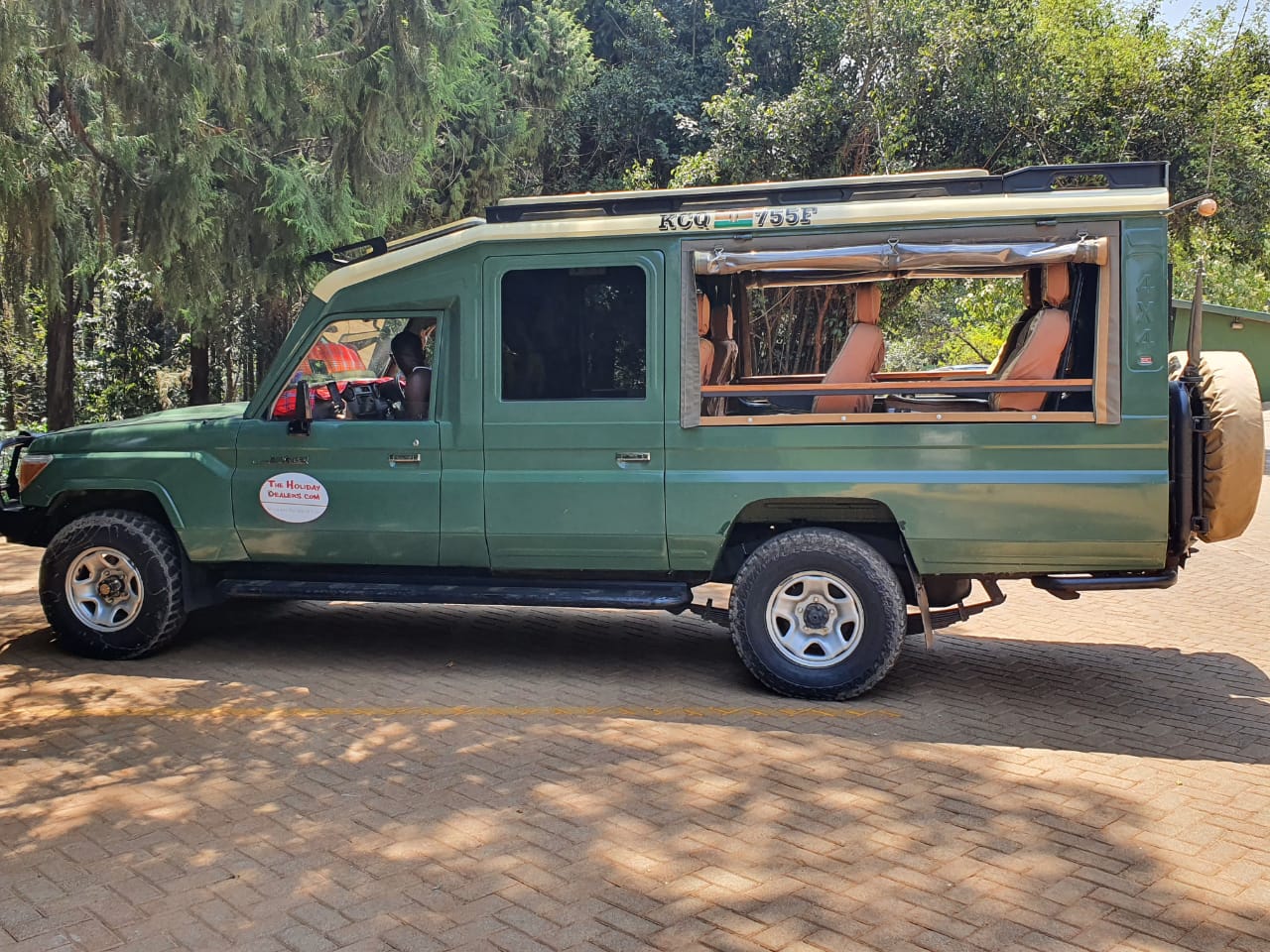
- Safari tour vans & 4×4 vehicles: KES 1,000 per day
- Buses & larger vehicles: Higher fees apply, depending on size and passenger capacity
Important Notes on Park Fees
- Park fees are charged per 12-hour cycle, meaning if you enter at noon, your ticket is valid until six pm that day. See more details on the 12 hour rule on the Masai Mara
- Fees are paid at the gate via cashless methods such as mobile money, credit/debit cards, or bank transfers.
- Conservancy fees do not grant access to the main Masai Mara National Reserve and vice versa.
Understanding these costs in advance helps visitors budget effectively for their Masai Mara safari experience.
 Getting to the Masai Mara can be done either by road or by air, each with its own cost implications. The choice depends on budget, time constraints, and personal preferences.
By Road
Road travel is the most budget-friendly option and provides a scenic journey through Kenya’s countryside. The drive from Nairobi to Masai Mara takes approximately 5 to 6 hours depending on the entry gate and road conditions.
1. Self-Drive Rental
- Cost: $100–$150 per day (excluding fuel)
- Ideal for experienced drivers familiar with rough terrains.
- Requires a 4×4 vehicle as some sections, especially near the park, can be challenging.
- Fuel costs vary, but expect to spend around KES 10,000–15,000 ($70–$100) for a round trip.
2. Private 4×4 Hire with a Driver
- Cost: $200–$300 per day (including vehicle, fuel, and driver)
- Offers a hassle-free experience with a local guide who knows the best routes.
- Best for travelers unfamiliar with Kenyan roads or those who prefer comfort and safety.
3. Group Tour Transport
- Cost: Shared among travelers, reducing individual expenses.
- Safari tour operators arrange group road trips, often in safari vans or 4×4 Land Cruisers.
- Prices vary based on the package but can range from $50–$150 per person per day depending on the level of service.
By Flight
Flying to the Masai Mara is the fastest and most convenient option, reducing travel time to about 45 minutes to 1 hour from Nairobi’s Wilson Airport.
1. Scheduled Domestic Flights
- Cost: $300–$550 round-trip per person
- Daily flights are available from Wilson Airport (WIL) in Nairobi to various Masai Mara airstrips.
- Airlines include Safarilink, AirKenya, and Fly ALS.
- Ideal for travelers short on time or those preferring a more comfortable journey.
2. Chartered Flights
- Cost: $1,000–$6,500+ depending on aircraft type and group size
- Ideal for luxury travelers, private groups, or families wanting an exclusive experience.
- Operated by private aviation companies, offering flexibility in scheduling and airstrip choices.
3. Airstrip Transfers (From Airstrip to Hotel)
- Cost: $50–$100 per person (some lodges provide free transfers)
- Most lodges and camps arrange pickup from nearby airstrips in safari vehicles.
- Luxury lodges often include airstrip transfers in their package rates.
Considerations
- Road trips are more budget-friendly but require more travel time.
- Flights are more expensive but offer convenience, especially for short stays.
- Private transport (self-drive or hired vehicle) provides flexibility but comes with fuel and potential off-road challenges.
Choosing the best transport method depends on budget, comfort preference, and time availability.
 Where you choose to stay in the Masai Mara significantly affects your budget, comfort, and overall safari experience. The reserve offers a wide range of accommodations, from budget-friendly camps to ultra-luxurious lodges.
Budget Options ($100 – $150 per night)
Budget accommodations are ideal for travelers looking to experience the Masai Mara without breaking the bank. These options offer basic amenities while still providing access to the incredible wildlife.
Types of Budget Accommodation:
- Basic Tented Camps: Simple, dome-style tents with shared bathrooms.
- Budget Safari Camps: Permanent tents with basic en-suite facilities.
- Hostels & Guesthouses: Found on the outskirts of the reserve, ideal for independent travelers.
- Self-Catering Camps: Allow visitors to bring and prepare their own food.
What’s Included?
✔ Basic bedding and mosquito nets
✔Shared or en-suite bathrooms (depending on the camp)
✔ Some camps offer meal plans, while others have communal kitchens
Best for: Budget travelers, backpackers, and adventure seekers.
Mid-Range Options ($200 – $500 per night)
Mid-range accommodations offer a balance of affordability and comfort. These lodges and tented camps provide better services, meals, and sometimes guided safaris.
Types of Mid-Range Accommodation:
- Permanent Tented Camps: Large tents with en-suite bathrooms and comfortable furnishings.
- Safari Lodges: Brick-and-mortar lodges with modern amenities.
- Boutique Camps: Smaller, more personalized camps with excellent hospitality.
What’s Included?
✔ Full-board meals (breakfast, lunch, dinner)
✔Comfortable beds and private bathrooms
✔ Guided game drives (in some packages)
✔Some have swimming pools and bar areas
Examples of Mid-Range Camps & Lodges:
- Mara Serena Safari Lodge
- Basecamp Masai Mara
- Fig Tree Camp
- Sarova Mara Game Camp
Best for: Families, couples, and travelers who want comfort without extreme luxury.
Luxury Options ($600 – $2,500+ per night)
For travelers seeking the ultimate safari experience, luxury accommodations provide top-tier service, exclusive game drives, and high-end amenities. These lodges often have prime locations near migration hotspots or along rivers where wildlife is abundant.
Types of Luxury Accommodation:
- High-End Tented Camps: Spacious, elegant tents with private decks and panoramic views.
- Luxury Safari Lodges: Five-star lodges with infinity pools, spas, and gourmet dining.
- Private Conservancy Camps: Located outside the main reserve, offering exclusive game drives, night safaris, and walking tours.
What’s Included?
✔ All-inclusive packages (meals, drinks, game drives)
✔Private butlers and personalized service
✔ Luxury en-suite bathrooms with bathtubs and hot showers
✔Spa treatments, infinity pools, and premium dining
✔Access to exclusive conservancies with fewer tourists
Examples of Luxury Lodges & Camps:
- Angama Mara ($1,500+ per night)
- &Beyond Kichwa Tembo ($600–$1,200 per night)
- Mahali Mzuri (Sir Richard Branson’s Camp – $2,000+ per night)
- Governors’ Il Moran Camp ($800+ per night)
Best for: Honeymooners, high-end travelers, and those looking for an exclusive, once-in-a-lifetime safari.
Final Thoughts
- Budget travelers can enjoy the Mara for as little as $100 per night, though costs increase with meals and transport.
- Mid-range stays provide a comfortable balance between affordability and quality.
- Luxury lodges offer unparalleled experiences, but at a premium cost.
Choosing the right accommodation depends on your budget, level of comfort, and desired safari experience.
 Safari package costs can vary widely based on the level of luxury, the inclusions in the package, and the destinations covered. Here’s a breakdown of the typical costs for different safari packages:
Budget Safari ($500–$600 per person for 3 days)
A budget safari is designed to offer an affordable wildlife experience, often focusing on the most popular national parks and reserves. The accommodation is usually basic, such as simple lodges, campsites, or dorm-style accommodations. Transport is typically in shared vehicles (often minivans or 4x4s), and you may have to share your space with other travelers. The park fees, game drives, and some meals (often breakfast and dinner) are typically included.
- Accommodation: Basic lodges or campsites
- Transport: Shared vehicles (minivans, budget 4x4s)
- Inclusions: Park fees, game drives, basic meals
- Highlights: Affordable option, suitable for backpackers or those on a tighter budget
Mid-Range Safari ($800–$1,500 per person for 3 days)
A mid-range safari offers a balance between affordability and comfort. The accommodations are typically in better lodges or permanent tented camps, which provide a more comfortable experience without the opulence of a luxury safari. Transport will likely be in a private 4×4 vehicle, providing a more personalized and comfortable experience. These packages generally include park fees, game drives, most meals, and sometimes even beverages.
- Accommodation: Comfortable lodges, tented camps
- Transport: Private 4×4 vehicles
- Inclusions: Park fees, game drives, meals, sometimes beverages
- Highlights: Great value for money, good mix of comfort and adventure
Luxury Safari ($2,500+ per person for 3 days)
A luxury safari offers an indulgent, high-end experience, often staying in exclusive, upscale lodges, luxury tented camps, or even private villas. You’ll typically be treated to private game drives with a personal guide, and the vehicles will be top-of-the-line 4x4s with a dedicated driver/guide. Meals are gourmet, and the overall experience is very personalized, with additional amenities such as spa treatments, fine wines, and private excursions. Park fees and game drives are all included, and the level of service is exceptional.
- Accommodation: 5-star lodges, luxury tented camps, private villas
- Transport: Private, luxury 4×4 vehicles, sometimes with a personal guide
- Inclusions: All park fees, luxury game drives, meals, beverages, sometimes extras like spa treatments
- Highlights: Ultimate comfort and exclusivity, a tailor-made safari experience
These price ranges typically reflect the type of experience, level of comfort, and additional services offered, such as private tours or the choice of staying at remote, exclusive safari destinations. The more luxurious the safari, the more personalized and exclusive the experience becomes, with a focus on privacy, top-tier service, and premium accommodations.

In addition to the main safari activities like game drives, there are various other activities that can enhance your safari experience, allowing you to engage with the environment and local culture in unique ways. These additional activities come with their own costs and can often be customized based on your interests and the safari destination. Here’s an expansion on the common add-ons:
Hot Air Balloon Safari ($450–$550 per person)
A hot air balloon safari is one of the most iconic and thrilling ways to experience the African landscape. Typically offered at locations such as the Maasai Mara, Serengeti, and Amboseli, this activity provides an incredible aerial view of the plains, wildlife, and dramatic landscapes. The balloon ride usually takes place at dawn, just as the sun is rising, offering a beautiful and serene atmosphere. After the flight, guests are often treated to a champagne breakfast in the bush.
- Inclusions: Balloon flight, pilot and crew, breakfast
- Highlights: A unique perspective of wildlife and the environment, a memorable and romantic experience
- Considerations: Weather-dependent and typically available during certain seasons, early morning start
Maasai Village Visit ($20–$50 per person)
A Maasai village visit is a culturally immersive activity that allows you to connect with the indigenous Maasai people, one of Africa’s most famous ethnic groups. During the visit, you’ll have the chance to learn about the Maasai’s traditions, way of life, and customs. Visitors often get to observe traditional dances, witness ceremonies, and explore the village’s lifestyle. Some villages may even offer the opportunity to purchase Maasai crafts, such as beadwork, jewelry, and clothing.
- Inclusions: Cultural exchange, guided tour by a Maasai community member
- Highlights: A deep dive into Maasai culture, the chance to support local communities
- Considerations: These visits are usually arranged through the safari operator, and fees often go directly to the community
Walking Safaris ($50–$100 per person)
A walking safari is a more intimate way to experience the wilderness, where you venture on foot with a trained guide through the bush. These safaris are typically led by professional rangers who provide insight into the flora, fauna, and the subtle signs of wildlife in the area. It’s an opportunity to explore the ecosystem at a slower pace and notice the smaller details that are often missed during game drives, such as animal tracks, birdlife, and plants. Walking safaris are generally available in areas like South Luangwa, Kruger National Park, or the Maasai Mara.
- Inclusions: Guided walk with a trained ranger, exploration of local flora and fauna
- Highlights: A unique and more intimate safari experience, physical and mental engagement with nature
- Considerations: Limited to specific areas and often requires a certain level of fitness. Safety is a priority, and large game animals are usually avoided during walks.
Sundowners & Bush Dinners ($50–$150 per person)
Sundowners and bush dinners are popular experiences that combine a scenic moment with luxury dining. Sundowners usually involve enjoying drinks (often gin and tonic, wine, or champagne) as the sun sets over the savannah or other picturesque locations, allowing you to take in the beauty of the moment. A bush dinner typically follows the sundowner, where guests enjoy a gourmet meal in the middle of the wilderness, often under the stars. These experiences provide a combination of relaxation, adventure, and exclusivity, making them perfect for special occasions or romantic getaways.
- Inclusions: Drinks and snacks (sundowners), full-course dinner (bush dinner), setting in a beautiful location
- Highlights: A luxurious, unforgettable experience with stunning views, unique setting in nature
- Considerations: Can be arranged at remote locations, perfect for special moments like anniversaries or proposals
These activities are often offered as add-ons during your safari and can be customized to fit your personal interests and preferences. They enhance the overall safari experience by adding variety, deeper cultural insights, and unforgettable moments. Depending on your budget, some of these experiences may be included in more premium safari packages, while others are available as optional extras.
 In addition to the core costs of your safari, there are several miscellaneous expenses that can add up throughout your trip. These expenses may vary depending on your preferences, but they are important to factor into your overall budget for a seamless experience. Here’s a closer look at these costs:
Travel Insurance ($50–$150 per person)
Travel insurance is highly recommended for any safari or international travel. It provides coverage for a range of potential issues such as medical emergencies, trip cancellations, lost luggage, flight delays, and other unforeseen circumstances. For safaris, insurance should ideally include coverage for medical evacuation, particularly if you’re visiting remote areas where access to healthcare may be limited.
- Inclusions: Medical emergencies, trip cancellations, baggage loss, evacuation (particularly important for safaris)
- Highlights: Peace of mind knowing you’re covered in case of an emergency
- Considerations: Prices depend on the level of coverage, the length of your trip, and your personal health. It’s best to shop around and compare different policies.
Tipping ($10–$20 per day for guides, $5–$10 for staff)
Tipping is a common practice in many African countries and is generally appreciated by guides, drivers, and hotel staff. For safaris, tipping is often not included in the cost of the package and is given directly to the individuals who provide services. The amount of the tip can vary depending on the quality of service, but it’s a good gesture to recognize the effort and hospitality of those who make your trip enjoyable.
- Guides: $10–$20 per day, typically for your safari guide or driver-guide, especially if they go above and beyond in terms of wildlife spotting, explanations, and overall service.
- Staff: $5–$10 per day for hotel or camp staff (such as housekeeping, chefs, and waitstaff).
- Highlights: Tipping shows appreciation for exceptional service and encourages local economies.
- Considerations: It’s always a good idea to check with your safari operator or lodge regarding tipping guidelines, as some places may include a service charge or tip pool for staff.
Souvenirs & Shopping ($20–$200)
When visiting local markets, Maasai villages, or souvenir shops during your safari, you may be tempted to purchase memorabilia to remember your trip. Souvenirs & shopping expenses can vary greatly depending on your interests. Common items include Maasai beadwork, hand-carved wooden animals, traditional clothing, or artworks. Local markets can provide unique items at relatively affordable prices, but it’s important to negotiate prices in some regions to ensure you’re getting a fair deal.
- Typical Purchases: Handicrafts, jewelry, clothing, artwork, home décor
- Highlights: A chance to bring home unique items that reflect the local culture, often handmade by artisans
- Considerations: Make sure to shop at reputable locations and be aware of any customs restrictions or duties when bringing items back home. Prices can vary based on the location, quality, and uniqueness of the items.
Other Miscellaneous Costs
- Visas: Depending on your nationality, a visa might be required for the country you’re visiting. Visa fees can vary by country but are generally in the range of $50–$100.
- Airport Transfers: Some safari packages include airport transfers, but if not, you may need to budget for taxis, private transfers, or shuttle services.
- Optional Activities: In addition to the core safari and game drives, you might want to participate in other optional activities like horseback safaris, cultural performances, or special excursions that can add extra costs.
In general, these miscellaneous expenses should be factored into your budget to ensure that you’re financially prepared for everything during your safari. It’s important to plan ahead for these costs to avoid surprises and to enjoy a smooth and stress-free experience.
 When planning a trip to the Masai Mara, one of Kenya’s most famous safari destinations, budgeting effectively is essential to maximize your experience while minimizing costs. Here are some budgeting tips to help you plan an affordable yet unforgettable trip to the Mara:
- Travel in the Low Season to Save on Accommodation and Park Fees
Traveling during the low season is one of the most effective ways to reduce your overall expenses. The low season in the Masai Mara typically runs from April to June (the long rains) and November (the short rains). During these months, you can find significant discounts on accommodation, as demand is lower and fewer tourists visit the region.
- Accommodation savings: Many lodges and camps offer discounts or lower prices during the low season, making it an excellent time to stay in more luxurious accommodations at a fraction of the high-season price.
- Park fees: The fees for entering Masai Mara National Reserve can be lower in the off-season, helping you save on one of the major expenses of your trip.
- Avoid crowds: Aside from saving money, the low season means fewer tourists, giving you a more peaceful and intimate safari experience with less competition for sightings.
- Book in Advance for Better Rates
Booking your safari and accommodation well in advance can often save you money. Many safari operators and lodges offer early bird discounts, particularly for bookings made several months ahead of time.
- Accommodation: Booking ahead ensures you lock in the best rates before they increase closer to the travel date, particularly during peak times like July to October (high season).
- Safari tours: By securing your safari package in advance, you can often take advantage of special promotions or bundled deals, which can significantly lower your cost.
- Flight deals: Booking flights early can help you take advantage of cheaper fares, especially if you’re traveling from Nairobi or another major city.
- Join Group Tours for Shared Costs
If you’re traveling alone or with a small group, joining a group safari tour is a smart way to split costs with others. Group tours allow you to experience the Masai Mara at a much lower price compared to private safari tours, as the cost of the vehicle, guide, and park fees is shared among all participants.
- Lower transportation costs: Safari vehicles in the Mara are typically 4x4s, which are relatively expensive to hire privately. On a group tour, the cost is distributed, making it much more affordable.
- Shared game drives: Group tours often involve shared game drives, so while you won’t have the vehicle entirely to yourself, the experience is still enriching, and you’re likely to meet other travelers and share the excitement of wildlife sightings.
- Guided expertise: Group tours usually come with experienced guides who can provide in-depth knowledge of the Mara and enhance the safari experience.
- Look for Package Deals to Include Multiple Expenses
Package deals are an excellent way to bundle multiple aspects of your trip together for a better price. Many safari operators and travel agencies offer comprehensive packages that include accommodation, game drives, park fees, transport, meals, and sometimes even flights, all for a fixed price.
- All-inclusive packages: Packages that include most or all of your expenses, such as meals, accommodation, park fees, and transport, are often more cost-effective than booking everything separately.
- Game drive bundles: Look for packages that include multiple game drives (morning and afternoon), as this can save you money compared to paying for individual drives.
- Discounted rates: Many operators offer discounts on longer packages (e.g., 5-day safaris vs. 3-day safaris) or for booking early. This can help you stretch your budget while enjoying a longer stay.
Additional Budgeting Tips:
- Public transport or shared transfers: Instead of private flights or chartered vehicles, consider using public transport to get to the Mara or joining a shared transfer from Nairobi to save on travel costs.
- Self-catering options: If you’re staying in self-catering accommodation, buying food at local markets or supermarkets and preparing your own meals can reduce food costs.
- Minimalist accommodation: If your main priority is experiencing the wildlife, consider staying in more basic but comfortable accommodation, such as tented camps or guesthouses, which often cost less than luxury lodges.
By utilizing these budgeting tips, you can make the most of your Masai Mara safari without breaking the bank, ensuring a memorable and affordable adventure in one of the world’s greatest wildlife destinations.
A trip to Masai Mara can cost anywhere from $500 for a budget 3-day safari to over $5,000 for a luxury experience. Whether you’re looking for a budget-friendly adventure or a luxury getaway, planning ahead will help you get the best value for your trip. Ready to explore Masai Mara? Contact us at maramasai.com for tailored safari packages!


