Masai Mara, one of the most renowned wildlife reserves in the world, offers an unforgettable experience that combines breathtaking landscapes, rich culture, and thrilling wildlife encounters. From the famous Great Wildebeest Migration to its diverse wildlife and stunning vistas, the Mara is truly a place of wonder. However, what truly elevates a safari in Maasai Mara is having a Maasai guide by your side—someone who not only knows the land like the back of their hand but also holds an unspoken connection to it. If there’s one thing that makes your game drive unforgettable, it’s being guided by a Maasai, and here’s why.
The Magic of Maasai Guides

Having a Masai guide handle your game drives in Maasai Mara is, without a doubt, one of the best things that can happen to you during your safari. The Maasai people have lived alongside the wildlife of the Mara for centuries, and their deep knowledge of the land, animals, and ecosystems is unmatched. Unlike other guides, a Maasai guide’s connection to the Mara is personal—it’s in their blood. When you’re with a Maasai guide, you’re not just on a game drive; you’re immersed in the history, stories, and culture of a community that has flourished in this region for generations.
These guides are born trackers. They can spot the smallest tracks, hear the faintest rustle in the grass, and interpret animal behavior in ways that will leave you in awe. Whether it’s finding a hidden pride of lions or pointing out a distant cheetah on the horizon, their skills in tracking are extraordinary. Their deep understanding of animal patterns and the land makes each moment on safari feel like a privilege.
But beyond their skill as trackers, Maasai guides bring something more to the table: a deep cultural insight. They can narrate fascinating stories that tie together the animals you see with the traditions of their people. This cultural context transforms your safari from a simple wildlife experience into a rich, multi-dimensional journey. They don’t just show you animals; they help you understand the delicate balance between nature and the people who live here.
Having a Masai guide means being led by someone who’s not just showing you a place—they’re sharing their home, their heritage, and their way of life. Their respect for the land and animals is palpable, and this respect is passed on to you, making you feel like you’re part of something bigger than just a tourist attraction.
The Great Wildebeest Migration
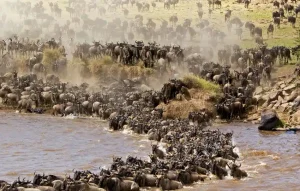
 While the presence of Maasai guides is a special feature of Maasai Mara, the reserve’s natural beauty and unique wildlife offer their own kind of magic. One of the most iconic events in the natural world, the Great Wildebeest Migration, takes place annually between the Serengeti in Tanzania and Maasai Mara in Kenya. This migration, which sees over two million wildebeests, zebras, and gazelles crossing into the Mara, is an incredible spectacle to witness, especially during the dramatic river crossings where the animals face predators like crocodiles and big cats.
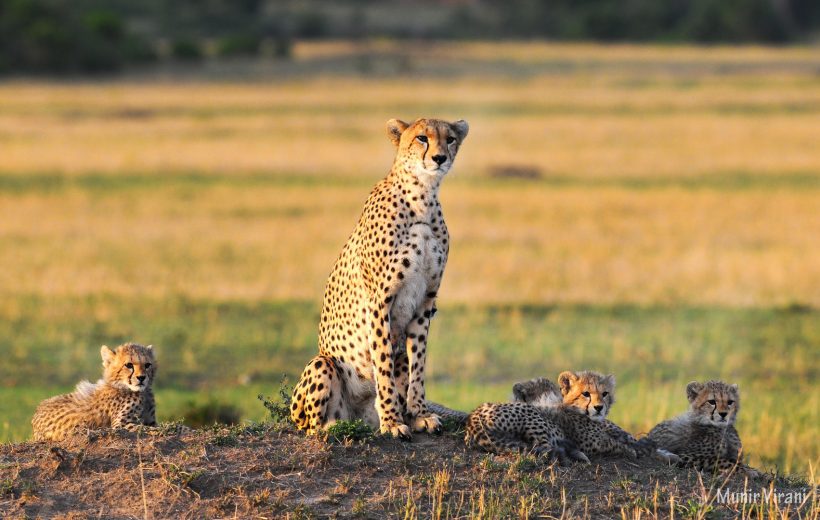
While the migration is undoubtedly a highlight, the Mara is a year-round destination with rich wildlife populations that are equally captivating throughout the year. Lions, elephants, cheetahs, giraffes, and various species of antelopes roam freely across the vast savannah. Birdwatchers will be equally delighted by the over 500 species of birds, including eagles, herons, and the vibrant lilac-breasted roller.
Rich Wildlife Diversity
 The beauty of Maasai Mara lies not only in the spectacle of the Great Migration but also in the incredible diversity of wildlife found throughout the year. The reserve is home to the iconic “Big Five”—lions, leopards, elephants, buffalo, and rhinoceros—as well as a myriad of other animals. Whether it’s observing a leopard lounging in the trees or witnessing the majesty of elephants roaming in herds, the Mara offers a thrilling experience at every turn.
The diversity doesn’t end with mammals—over 500 species of birds thrive in the Mara’s varied ecosystems. Whether you’re watching a golden eagle soaring high or spotting a secretive ground hornbill in the underbrush, the Mara is a birdwatcher’s paradise.
Stunning Landscapes
 Masai Mara’s landscapes are as diverse as its wildlife. From wide, open savannahs to the lush, wooded areas along the Mara River, the reserve offers stunning views at every turn. The famous Oloololo Escarpment, which rises sharply from the plains, provides panoramic views that take your breath away. The rolling hills and winding rivers make this area as picturesque as it is thrilling, with ample opportunities for photography and peaceful moments of reflection.
Another highlight is the Mara River, which is vital to the ecosystem and provides a dramatic focal point during the migration. The river cuts through the reserve, providing vital water sources for both animals and plants. During the rainy season, the river comes alive, bringing a sense of vibrancy to the landscape. The sight of elephants and hippos splashing in the river or the sound of the rushing waters is a sensory delight for visitors.
Cultural Heritage of the Maasai People

The Maasai Mara is not only about the land and animals; it’s also about the Maasai people who have called this area home for centuries. The Maasai are a proud, semi-nomadic community with a rich cultural heritage. Their deep connection to the land and its wildlife makes them not just residents but also guardians of the Mara. Visiting Maasai villages offers a unique opportunity to learn about their way of life. You can interact with the locals, watch traditional dances, and hear stories that tie together their history with the land.
The Maasai have long coexisted with wildlife, and their traditional practices are rooted in sustainable living. Their presence in the Mara is not only a cultural asset but also an integral part of the ecosystem’s conservation. The Maasai are an essential part of the conservation efforts in the Mara, working hand-in-hand with wildlife authorities to protect the region.
Exclusive Safari Experiences
 Maasai Mara also offers a variety of accommodation options that cater to every taste, from luxury tented camps to more budget-friendly lodges. Many of the luxury camps are situated in private conservancies, where you can enjoy more exclusive game drives, often with fewer tourists than in the main reserve. These conservancies allow for activities like walking safaris, evening game drives, and even night drives, giving you a more intimate experience with nature.
Whether you’re in a luxury lodge or a quaint tented camp, the Mara’s accommodations blend seamlessly with the environment, allowing you to feel closer to nature. Many lodges emphasize eco-friendly practices, ensuring that your stay supports the preservation of the surrounding ecosystems.
Exciting Activities in Maasai Mara

While the Mara is world-famous for its game drives and wildlife viewing, the reserve offers a variety of activities to enrich your experience:
Game Drives: The most popular activity in the Mara, game drives are the best way to see wildlife up close. With the guidance of an experienced Maasai guide, you’ll embark on morning and afternoon drives across the reserve, spotting the Big Five, cheetahs, giraffes, hippos, and countless other species. Night game drives are also available in some private conservancies, where you can spot nocturnal creatures like hyenas, leopards, and owls.
Hot Air Balloon Safari: For a bird’s-eye view of the Mara, a hot air balloon safari is a once-in-a-lifetime experience. Soaring over the savannah at sunrise, you’ll get a stunning view of the wildlife below and the landscape stretching out as far as the eye can see. After the flight, you’ll enjoy a champagne breakfast in the heart of the reserve.
Walking Safaris: Walking safaris provide an intimate, ground-level perspective of the Mara. Accompanied by a trained Maasai guide, you’ll walk through the savannah and learn about the plants, tracks, and smaller creatures that you might miss on a game drive. This is an enriching way to connect with the environment in a more personal manner.
Cultural Visits: Maasai villages offer a unique insight into the life of the indigenous people. Visiting a Maasai boma (village) allows you to interact with the community, learn about their traditions, and watch traditional dances and rituals. You may even have the chance to shop for hand-crafted jewelry and art that supports the local economy.
Birdwatching: With over 500 bird species, the Mara is a birdwatcher’s paradise. Whether you’re tracking down the elusive Secretary bird or marveling at the flamboyant colors of the lilac-breasted roller, birdwatching here is a truly rewarding activity for nature enthusiasts.
Photography: The Mara offers endless opportunities for photographers to capture the beauty of wildlife and nature. Whether you’re trying to capture the perfect shot of a lioness hunting or the golden glow of a sunset over the savannah, the landscape of the Mara will leave you inspired.
Conservancy Visits: Many of the surrounding conservancies offer exclusive, less crowded experiences. These private areas allow for activities like walking safaris, evening game drives, and even night drives—giving you a more intimate experience with the Mara’s wildlife.
The Heart of Maasai Mara
 What truly sets Maasai Mara apart is not just its wildlife or stunning landscapes—it’s the unique experience you have when you’re guided by someone who has been shaped by this land. A Maasai guide brings a deeper level of connection and insight that transforms your safari from an exciting adventure to a meaningful journey. They share their stories, their knowledge, and their respect for the land, making you feel as though you’re witnessing the magic of Maasai Mara through the eyes of its true stewards.
For anyone looking to explore Maasai Mara, the presence of a Maasai guide will undoubtedly make the experience unforgettable. It’s a journey through a land that is not only rich in wildlife but also in history, culture, and deep-rooted respect for nature. With a Maasai guide leading the way, your safari will become a story of its own—one that stays with you long after you’ve left the plains of the Mara.