
Best Time to Visit Masai Mara: A Month-by-Month Expert Guide
The best time to visit Masai Mara depends on what kind of safari experience you are looking for. Some travelers want the drama of the Great Migration, others want fewer crowds, lower park fees, perfect light for photography, or simply a time that fits their travel schedule in Kenya.
This guide breaks down the best time to go to Masai Mara based on six key factors:
-
Lower park fees
-
Photography opportunities
Rather than pushing one “best” month, this guide helps you choose the best time for you.
Understanding Masai Mara Seasons at a Glance
Masai Mara does not have four classic seasons. Instead, it follows rainfall patterns, wildlife movements, and tourism cycles.
Masai Mara Seasons Overview
| Season | Months | Key Characteristics |
|---|---|---|
| Dry Season (Peak) | July – October | Migration, high prices, crowds |
| Short Dry Season | January – March | Best weather, fewer tourists |
| Long Rains | April – May | Lowest prices, lush scenery |
| Shoulder Season | June & November | Balance of value and experience |
Each season offers a different version of the Masai Mara, and none of them are bad.
Best Time to Visit Masai Mara for Lower Park Fees (January – June)
One of the most overlooked factors when planning a safari is park fees.
Masai Mara Park Fees Explained
Masai Mara has two fee periods:
-
High Season Rates: July – December
-
Low Season Rates: January – June
During the low season, visitors benefit from:
-
Reduced park entry fees
-
Lower lodge and camp rates
-
More flexible booking policies
This makes January to June the best time to visit Masai Mara if value for money is important.
Why Low Season Fees Matter
For families, longer stays, or multi-park safaris, park fees can significantly affect the total cost.
A 3-night safari during low season can cost 20–40% less than the same safari in peak migration months.
Best Time to Visit Masai Mara with Fewer Crowds (March – June & October – November)
Masai Mara’s popularity peaks during the migration months. If you prefer quiet game drives, open landscapes, and uninterrupted sightings, timing matters.
Least Crowded Months in Masai Mara
-
March – June
-
October – November
During these months:
-
Fewer safari vehicles at sightings
-
Less competition for prime lodges
-
More private wildlife moments
Why Fewer Crowds Change the Safari Experience
With fewer vehicles:
-
Animals behave more naturally
-
Guides can linger longer at sightings
-
Photography is easier and less rushed
For experienced safari travelers, this is often considered the true Masai Mara experience.
Best Time to Visit Masai Mara for Perfect Weather (January – March)
If weather is your top priority, January to March is widely considered the best time to visit Masai Mara.
Weather Conditions (January – March)
-
Warm days (24–28°C)
-
Cool mornings and evenings
-
Minimal rainfall
-
Clear skies
These months offer:
-
Comfortable game drives
-
Clear visibility
-
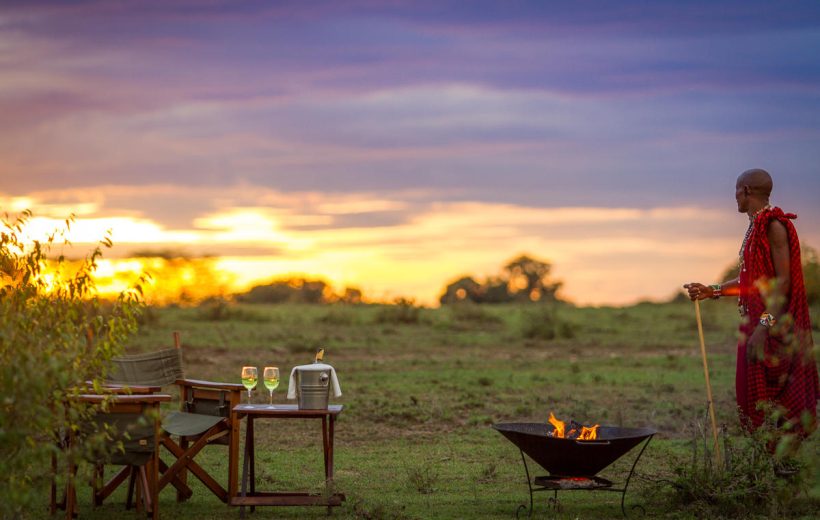
Ideal conditions for walking safaris and sundowners
Why Weather Matters on Safari
Good weather affects:
-
Wildlife visibility
-
Road conditions
-
Flight reliability
-
Comfort during long game drives
January to March strikes the best balance between comfort and wildlife activity.
Best Time to Visit Masai Mara for Photography (February)
For photographers, February is unmatched.
Why February Is the Best Photography Month
-
Short grass improves visibility
-
Soft golden light throughout the day
-
Clear skies with dramatic cloud formations
-
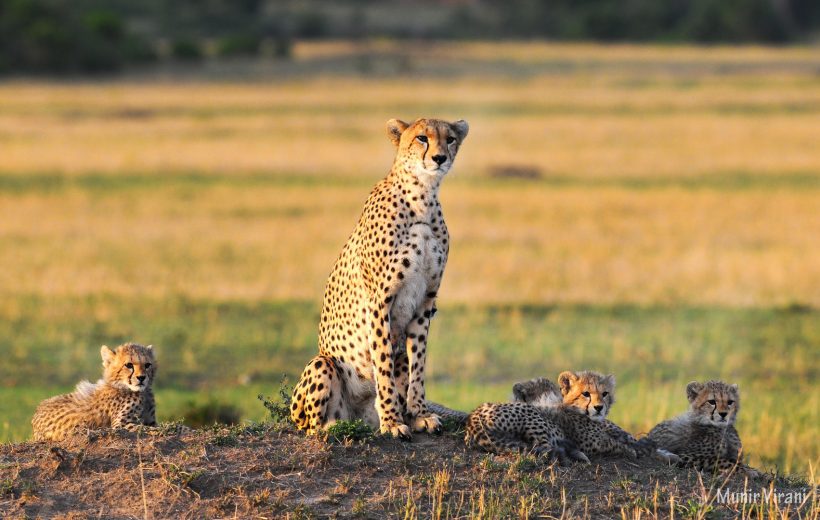
Abundant wildlife, including predators with cubs
February also coincides with:
-
Calving season in surrounding conservancies
-
Increased predator action
-
Excellent bird photography
Professional photographers often choose February because it combines excellent light, fewer vehicles, and active wildlife.
Best Time to Visit Masai Mara for the Great Migration (July – September)
The Great Wildebeest Migration is the single most famous wildlife event in Africa.
Migration Overview
Each year, over:
-
1.5 million wildebeest
-
300,000 zebras
-
Thousands of gazelles
Move from the Serengeti into the Masai Mara in search of fresh grazing.
Best Migration Months
-
July – September
This period offers:
-
River crossings at the Mara River
-
Large herds spread across the plains
-
High predator density
What to Expect During Migration Season
Pros:
-
Spectacular wildlife scenes
-
Iconic safari photography
-
Once-in-a-lifetime experiences
Cons:
-
Higher park fees
-
Higher lodge prices
-
More safari vehicles
Migration season is ideal for first-time safari travelers who want the classic Masai Mara experience.
Best Time to Visit Masai Mara When You Have Time in Kenya
One of the most practical — yet rarely discussed — factors is when you are already in Kenya.
Masai Mara is:
-
Accessible year-round
-
Wildlife-rich in every season
If you are visiting Kenya for:
-
Business
-
A beach holiday
-
Family commitments
It often makes sense to add a Masai Mara safari regardless of the month.
Why There Is No “Wrong” Time
Masai Mara is a permanent wildlife ecosystem, not a seasonal park.
-
Lions, elephants, giraffes, and leopards are present all year
-
Birdlife changes with the seasons
-
Landscapes shift from golden plains to lush green
This makes Masai Mara one of the most reliable safari destinations in Africa.
Month-by-Month Breakdown: Best Time to Visit Masai Mara
January
-
Excellent weather
-
Low park fees
-
Great wildlife sightings
-
Ideal for first-time visitors
February
-
Best month for photography
-
Predator activity high
-
Calving season nearby
-
Clear skies
March
-
Fewer tourists
-
Transition into greener landscapes
-
Good value safari rates
April
-
Lush scenery
-
Lowest lodge prices
-
Excellent birding
-
Occasional rain
May
-
Quietest month
-
Dramatic landscapes
-
Ideal for seasoned travelers
June
-
End of low season
-
Wildlife concentrated
-
Great value before peak season
July
-
Migration begins
-
High demand
-
Peak prices
August
-
Peak migration
-
River crossings
-
Busy but spectacular
September
-
Migration continues
-
Excellent game viewing
-
Slightly fewer crowds than August
October
-
Migration winds down
-
Fewer tourists
-
Great weather
November
-
Short rains
-
Fresh landscapes
-
Quiet safari experience
December
-
Festive season
-
Good wildlife
-
Higher prices over holidays
Best Time to Visit Masai Mara by Traveler Type
Families
-
January – March
-
June
-
October
Honeymooners
-
February
-
March
-
November
Budget Travelers
-
April – June
First-Time Safari Visitors
-
July – September
-
January – February
Photographers
-
February
-
August (migration action)
Conservancies vs Reserve: Timing Matters
Staying in private conservancies changes the experience regardless of season.
Benefits include:
-
Fewer vehicles
-
Off-road driving
-
Night game drives
-
Walking safaris
During peak months, conservancies offer a less crowded alternative to the main reserve.
Final Verdict: When Is the Best Time to Visit Masai Mara?
There is no single best time — only the best time for your priorities.
Choose:
-
January – March for perfect weather
-
February for photography
-
March – June for fewer crowds and lower costs
-
July – September for the Great Migration
-
Any month if Masai Mara fits your Kenya itinerary
Masai Mara delivers exceptional wildlife 365 days a year.
Planning Your Masai Mara Safari
The best time to visit Masai Mara also depends on:
-
Lodge availability
-
Flight schedules
-
Your travel companions
-
Length of stay
A well-planned safari ensures you experience the Mara at its best — whenever you go.