Wildlife Photograph in Masai Mara
A Complete Photographer’s Guide to Timing, Locations, Guides, Vehicles, and Safari Planning
The Masai Mara is one of the most photographed wildlife destinations in the world—and for good reason. Vast open plains, dramatic skies, high predator density, and year-round wildlife make it a dream for photographers. But great Masai Mara images don’t happen by accident.
The difference between an average safari album and a portfolio-worthy wildlife collection comes down to planning, timing, positioning, and patience.
This guide explains the best way to photograph wildlife in Masai Mara, covering:
-
The best months for photography
-
How to avoid crowds
-
Why local guides matter
-
Choosing the right safari vehicle
-
How long to stay
-
Where to stay within the Mara
-
Daily game drive timing for the best light
Whether you’re a serious photographer or a traveler who wants exceptional images, this guide will help you do it right.
Why Masai Mara Is One of the World’s Best Wildlife Photography Destinations
 The Masai Mara stands apart from many African safari destinations for several reasons:
-
High concentration of wildlife in a relatively compact area
-
Open savannah landscapes that allow long sightlines
-
Big cat density (lions, leopards, cheetahs) among the highest in Africa
-
Year-round game viewing, not limited to one season
-
Dramatic skies and weather, ideal for storytelling images
Unlike heavily forested parks, the Mara offers photographers clean backgrounds, open horizons, and the ability to track animals over time.
But to photograph it well, you must approach it as a photography expedition—not a rushed sightseeing trip.
1. Choose the Right Month for Wildlife Photography in Masai Mara
 January to March: The Best Months for Serious Photography
If your priority is image quality rather than box-ticking, January to March is one of the best times to photograph wildlife in Masai Mara.
Why January–March works exceptionally well:
-
Short grass makes animals easier to spot
-
Cleaner, uncluttered backgrounds
-
Clear skies with consistent light
-
Fewer vehicles compared to peak season
-
Excellent predator activity
-
Newborn animals in late January and February
These months are especially good for:
-
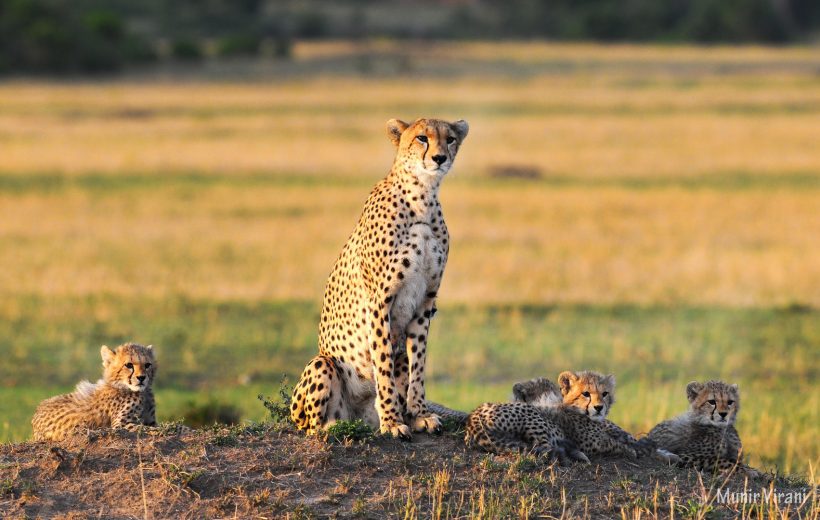
Big cat photography
-
Behavioral shots (hunting, interaction, movement)
-
Low-angle images with clean horizons
-
Sunrise and sunset photography
Many iconic Masai Mara photographs are taken outside the migration season—often during this quieter period.
Migration Season (July–September): High Drama, High Crowds
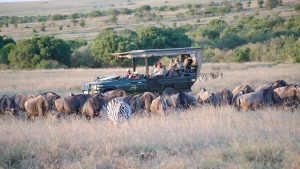
 The Great Wildebeest Migration brings massive herds and dramatic river crossings, but it also brings:
-
Heavy vehicle congestion
-
Dust in dry conditions
-
Limited shooting angles
-
Rushed sightings
Migration photography is powerful, but it requires:
-
Experienced guides
-
Early positioning
-
Patience with crowds
If migration images are your goal, it can work—but it’s not always ideal for photographers seeking clean, intimate wildlife moments.
2. Avoid Crowds Unless You Know Exactly What You’re Looking For
Crowds are one of the biggest challenges to wildlife photography in Masai Mara.
When many vehicles surround an animal:
-
Shooting angles are blocked
-
Dust affects image clarity
-
Animals change behavior
-
Guides move quickly instead of waiting
Photography requires time with a subject, not a quick stop.
How to Avoid Crowds in the Mara
-
Travel during low or shoulder seasons (Jan–March, Oct–Nov)
-
Stay in private conservancies with controlled vehicle numbers
-
Avoid roadside sightings and follow animal movement instead
-
Spend longer in one area rather than moving daily
Fewer vehicles mean better light, better positioning, and more natural behavior.
3. Get a Local Guide Who Understands Photography
 A skilled local guide is the single most important factor in successful wildlife photography.
A photography-focused guide:
-
Understands animal behavior and patterns
-
Anticipates action before it happens
-
Positions the vehicle for light and background
-
Knows when to wait instead of moving on
-
Communicates quietly and patiently
Why Local Knowledge Matters
Local guides:
-
Know where specific prides, leopards, or cheetahs operate
-
Track animals daily, not seasonally
-
Read signs such as alarm calls, wind direction, and movement
Always communicate your goal clearly:
“Photography is our priority. We’re happy to wait.”
This simple statement changes the entire safari experience.
4. Use the Right Safari Vehicle for Photography
Your safari vehicle is your photography platform.
Best Vehicle for Wildlife Photography in Masai Mara
-
Custom 4×4 safari vehicle
-
Open sides or large pop-up roof
-
Beanbags for lens support
-
Space to move freely
-
Ability to reposition quickly
Avoid:
-
Minibuses
-
Overcrowded vehicles
-
Fixed seating with limited movement
A good vehicle allows:
-
Low-angle shooting
-
Smooth panning
-
Fast lens changes
-
Stability for long lenses
The vehicle determines whether you react to moments—or miss them.
5. Don’t Come for 2 Nights—Stay 5 to 7 Nights
One of the most common mistakes photographers make is not staying long enough.
Wildlife photography is unpredictable. You may miss action on day one but capture extraordinary moments later.
Why Longer Stays Matter
A 5–7 night stay allows you to:
-
Follow individual animals over multiple days
-
Learn movement patterns
-
Return to sightings in better light
-
Capture behavior, not just portraits
-
Wait for weather and light conditions
Many of the best images happen:
-
After several quiet days
-
When patience replaces pressure
-
When familiarity with the landscape grows
Short safaris produce sightings. Long safaris produce stories.
6. Stay in Different Parts of the Masai Mara
The Masai Mara is not one uniform landscape. Each region offers different photographic advantages.
Central Masai Mara
-
High predator density
-
River systems attract wildlife
-
Best for big cat encounters
-
Can be crowded in peak season
Mara Triangle
-
Dramatic landscapes and river bends
-
Fewer vehicles
-
Excellent for wide-angle wildlife shots
-
Strong light in afternoons
Private Conservancies (Olare Motorogi, Naboisho, Mara North)
-
Controlled vehicle numbers
-
Off-road driving allowed
-
Night drives possible
-
Better for intimate photography
Splitting your stay across regions increases variety in:
-
Light
-
Backgrounds
-
Animal behavior
-
Landscape composition
7. Be Ready for Early Morning and Late Evening Game Drives
Light is everything in photography—and the best light comes early and late.
Early Morning Game Drives (6:00–9:00 am)
-
Soft, directional light
-
Cooler temperatures = animal activity
-
Hunting behavior
-
Mist, breath, and dramatic atmospheres
Late Afternoon / Evening Drives (4:30–6:30 pm)
-
Golden-hour tones
-
Backlit dust and grass
-
Long shadows and silhouettes
-
Dramatic skies
Midday light is harsh. Use it for:
-
Rest
-
Editing
-
Charging batteries
-
Reviewing shots
Photographers plan their days around light—not clock time.
8. Camera Gear Considerations (Without Overcomplicating It)
While this guide focuses on safari planning, basic gear preparation matters.
Recommended Lenses
-
100–400mm or 200–600mm for wildlife
-
70–200mm for behavior and environment
-
Wide-angle lens for landscapes and animal-in-environment shots
Other Essentials
-
Extra batteries
-
Plenty of memory cards
-
Beanbags
-
Dust protection
-
Backup camera body if possible
Remember: Positioning and timing matter more than gear.
9. Patience Is the Most Important Skill
Wildlife photography in Masai Mara rewards those who wait.
Great images come from:
-
Sitting quietly
-
Observing behavior
-
Trusting your guide
-
Letting moments unfold naturally
Rushing from sighting to sighting often means missing the best moments.
Stay with a subject. Watch. Anticipate. Wait.
The Best Way to Photograph Wildlife in Masai Mara
The best way to photograph wildlife in Masai Mara is not about chasing checklists—it’s about creating the right conditions for moments to happen.
To summarize:
-
Travel in photography-friendly months (Jan–March)
-
Avoid crowds whenever possible
-
Hire a knowledgeable local guide
-
Use the right safari vehicle
-
Stay at least 5–7 nights
-
Explore different areas of the Mara
-
Prioritize early mornings and late evenings
When you slow down, plan well, and give the Mara time, it rewards you with images that feel alive—images that tell real stories.
And that is what great wildlife photography is all about.