Understanding the Great Wildebeest Migration in Masai Mara?
Arrival and Departure Months Explained (Complete Guide)
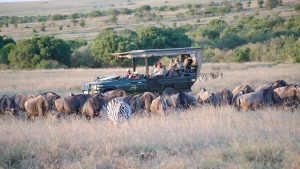
The Great Wildebeest Migration in the Masai Mara is one of the most searched safari questions in the world—and for good reason. Over 1.5 million wildebeest, joined by hundreds of thousands of zebras and gazelles, move in a continuous circular journey between Tanzania’s Serengeti and Kenya’s Masai Mara, following rainfall and fresh grazing.
But despite the popularity of the migration, many travelers still ask the wrong question.
The migration does not happen on one fixed date.
There is no exact week when the wildebeest arrive or leave.
What exists instead is a seasonal window, influenced by rainfall patterns, grass growth, and river levels.
This guide clearly explains:
When the wildebeest arrive in the Masai Mara
When they start leaving
What happens month by month
When river crossings are most likely
When to travel based on experience, crowds, and cost
If you are planning a safari—or advising a client—this is the guide you want to rely on.
Understanding the Great Wildebeest Migration (Quick Overview)
The Great Migration is a year-round movement, not a single event. The animals move clockwise across the Serengeti–Mara ecosystem, which covers over 30,000 square kilometers.
The Masai Mara represents the northernmost part of this ecosystem and is where the migration becomes most dramatic—thanks to:
The Mara River
Steep riverbanks
Strong currents
High concentration of predators
However, the animals only spend part of the year in the Masai Mara.
Arrival Months: When Do Wildebeest Arrive in Masai Mara?
Late June to Early July – The First Arrivals
The earliest arrivals into the Masai Mara usually happen between late June and early July.
At this stage:
Small to medium herds begin crossing from the northern Serengeti
Grass in the Mara is fresh after long rains
River crossings may start but are infrequent and unpredictable
The migration is present but not yet concentrated
This period is ideal for travelers who:
Are flexible and patient
Prefer quieter lodges and better rates
Key takeaway:
Late June and early July mark the beginning of migration season, not its peak.
July – Migration Presence Becomes Established
By mid to late July, the migration is firmly established in the Masai Mara.
What happens in July:
Larger herds arrive daily
Wildebeest spread across multiple regions of the Mara
First notable Mara River crossings occur
Predator activity increases dramatically
River crossings are still not guaranteed every day, but sightings become much more likely compared to June.
July is often considered the start of “prime migration season.”
Peak Migration Months: August to September
August – Peak Concentration and Drama
August is widely regarded as the best month to witness the Great Wildebeest Migration in Masai Mara.
Why August stands out:
The highest concentration of wildebeest is inside the Mara
Frequent Mara River crossings
Strong currents increase dramatic scenes
Predators are highly active (lions, crocodiles, hyenas)
During August:
Crossings can happen multiple times a day—or not at all
The same herd may cross back and forth repeatedly
No two days are the same
Important note:
River crossings are natural events, not scheduled shows. Patience is essential.
September – Continued Abundance with Slight Movement
September remains an excellent migration month, often with slightly fewer crowds than August.
What to expect in September:
Large herds still dominate the Mara plains
River crossings continue, though slightly less intense
Grass begins to thin toward the end of the month
Movement becomes more fluid
September offers an excellent balance between:
Migration activity
Availability
Comfort
Photography opportunities
Departure Months: When Do Wildebeest Leave Masai Mara?
Late September to October – Gradual Departure Begins
The migration does not leave all at once.
From late September through October:
Some herds remain deep in the Mara
Others begin moving south toward Serengeti
Rainfall patterns dictate movement speed
Crossings still happen but become less frequent
October is often misunderstood as “too late,” but in reality:
The migration is still present
Crowds reduce significantly
Rates may soften slightly
The Mara feels calmer and more intimate
November – Majority Have Departed
By November, most of the wildebeest have exited the Masai Mara and returned to the Serengeti plains.
What remains in November:
Resident wildlife (excellent year-round)
Short rains begin
Lush green landscapes
Fewer safari vehicles
While the mass migration spectacle ends, November is still a fantastic safari month for travelers who value:
Space
Green scenery
Lower peak-season pressure
Month-by-Month Summary Table
| Month | Migration Status in Masai Mara |
|---|---|
| January | No migration |
| February | No migration |
| March | No migration |
| April | No migration |
| May | No migration |
| June | Early arrivals possible (late month) |
| July | Migration arrives, crossings begin |
| August | Peak migration, frequent crossings |
| September | Peak continues, gradual movement |
| October | Partial departure |
| November | Mostly departed |
| December | No migration |
Why Arrival and Departure Months Change Every Year
The Great Migration follows rainfall, not calendars.
Factors that influence timing:
Amount of rain in Serengeti
Speed of grass regeneration
Water availability
River levels
Climate variations
This is why:
Some years see early July crossings
Other years peak activity shifts into September
Exact dates cannot be guaranteed
Any operator promising guaranteed river crossings is not being honest.
Best Time to Visit Masai Mara for the Migration (By Travel Goal)
Best for River Crossings
August – early September
Best Balance of Cost and Sightings
July or September
Best for Fewer Crowds
Late June or October
Best for First-Time Safari Travelers
August
Migration Myths You Should Ignore
Myth 1: The migration happens only in August
False. The migration spans July to October in the Mara.
Myth 2: River crossings happen every day
False. Crossings depend on herd movement and predator pressure.
Myth 3: If you miss a crossing, the trip is wasted
False. The migration is more than just crossings—plains filled with wildlife are equally spectacular.
Final Answer: When Is the Great Wildebeest Migration in Masai Mara?
Arrival:
Late June to July
Peak Presence:
August to September
Departure:
Late September to October
Mostly Gone:
November onward
The Masai Mara migration season lasts roughly four months, but the best sightings depend on timing, location, and patience.